If Your Senior Dog Stopped Eating Today, Read This Before You Worry
If Your Senior Dog Stopped Eating Today, Read This Before You Worry
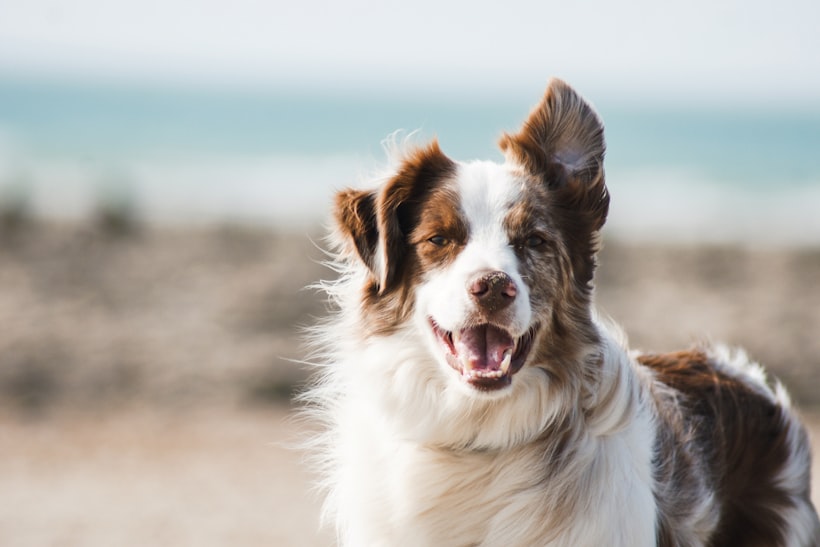
It's one of those moments that stops you cold: you set down your senior dog's bowl, and instead of the usual enthusiasm, they just… walk away. No sniff, no interest — just a full bowl and a worried owner.
If this sounds familiar, you're in good company. Appetite changes are one of the most common concerns among owners of older dogs, and for good reason. In younger dogs, skipping a meal is usually no big deal. But in senior dogs, it almost always means something — and figuring out what that something is can make a big difference in how quickly you can help.
This guide covers the 10 most common reasons senior dogs stop eating, real-life examples of how each one shows up, and specific steps you can take — both at home and with your vet.
Is It Normal for Senior Dogs to Eat Less?
The short answer: somewhat, yes — but only within limits.
As dogs age, their metabolism slows and their activity level drops. A dog that used to run laps around the yard now prefers long naps in a sunny spot. That lower energy output means lower calorie needs, and it's completely normal to see a gentle, gradual decrease in appetite over months or years.
What's not normal is a sudden drop in appetite, or a dog that stops eating entirely for more than a day. According to PetMD's veterinary team, age alone is never a reason for a dog to become anorexic — a significant change in appetite almost always has an underlying cause that deserves attention.
The key question is always: how sudden was the change, and are there other symptoms? That distinction guides how quickly you need to act.
10 Reasons Your Senior Dog Isn't Eating
📝 Stories shared throughout this article represent common experiences reported by pet owners and are used for illustrative purposes.
This is probably the most common cause of appetite loss in senior dogs — and the one most owners don't think to check first. By age 8, the majority of dogs have some degree of dental disease. Painful teeth, inflamed gums, loose teeth, or mouth sores can make chewing dry kibble genuinely agonizing.
Watch for: Dropping food mid-chew, eating on one side of the mouth, excessive drooling, bad breath that's gotten notably worse, pawing at the face.
Gastrointestinal problems — from mild acid reflux to more serious conditions like pancreatitis or inflammatory bowel disease — are extremely common in older dogs. When a dog feels queasy, eating is the last thing they want to do.
A telling sign: your dog walks over to the bowl, sniffs it with what seems like interest, then turns away. That "approach and retreat" pattern almost always points to nausea rather than true loss of appetite — the dog is willing but the stomach says no.
Chronic diseases that become more common as dogs age — especially kidney (renal) disease, liver dysfunction, and diabetes — often show up first as appetite loss before any other obvious symptoms appear. Kidney disease in particular causes a buildup of waste products in the blood that creates persistent nausea and makes the idea of food unappealing.
If you're also noticing increased water consumption, more frequent urination, weight loss, or unusual tiredness, these are important signals that something systemic may be going on.
Pain is a powerful appetite suppressant — and senior dogs often carry far more pain than their owners realize. A dog dealing with aching joints, a sore back, or hip dysplasia may simply not have the energy or motivation to engage with food. Even the physical act of bending down to a ground-level bowl can be uncomfortable enough to put a dog off eating.
Canine Cognitive Dysfunction (CCD) is the dog equivalent of Alzheimer's disease, and it's more common than most people realize — studies estimate it affects up to 22% of dogs over age 10. Dogs with CCD become confused, disoriented, and may simply forget that mealtimes exist or that food is something they want.
Signs of CCD beyond appetite loss: Staring at walls or into space, getting "stuck" in corners, waking up confused in the middle of the night, increased anxiety especially after dark, forgetting familiar commands or people.
Dogs experience the world primarily through smell — far more than taste. When a senior dog's sense of smell begins to fade (which happens naturally with age), food that used to smell irresistible may now barely register. The kibble that your dog has eaten happily for years might suddenly seem about as appetizing as cardboard.
If your senior dog recently started a new medication and appetite loss followed shortly after, the two things are almost certainly connected. NSAIDs (common arthritis pain relievers), antibiotics, certain heart medications, and thyroid treatments can all cause nausea or reduce appetite as a side effect.
Senior dogs are creatures of deep routine, and they can be surprisingly sensitive to changes in their environment. A house move, a new baby or pet joining the family, a change in your work schedule, visitors staying over, or even rearranging furniture can be enough to trigger stress that suppresses appetite.
Some senior dogs — particularly small breeds and dogs that have eaten one type of food for many years — simply get bored of their usual meals. This isn't the most common cause of appetite loss, but it's worth considering once your vet has ruled out health issues. The dog isn't sick; they're just holding out for something better.
Sometimes the simplest explanation is the right one. A senior dog that is genuinely less active than they used to be simply needs fewer calories — and their appetite reflects that. A slow, gradual reduction in how much your dog eats over months, with no other symptoms, may simply be healthy aging in action.
When to Go to the Vet Immediately
Now that you know the most common causes, the next question is: how urgent is this? Most missed meals in senior dogs don't require an emergency visit — but some absolutely do, and knowing which is which can genuinely matter.
🚨 Call Your Vet Today If Your Senior Dog:
- Has not eaten anything for more than 24 hours
- Is vomiting or has diarrhea alongside appetite loss
- Seems weak, unusually lethargic, or can barely get up
- Has a swollen, hard, or painful abdomen
- Is breathing faster than normal or seems distressed
- Has diabetes — a diabetic dog that skips even one meal needs same-day vet contact
- Is losing weight rapidly alongside reduced appetite
- Has not drunk any water in 24 hours
- Shows signs of pain when you touch their body or mouth
The 24-hour rule is the most important guideline for senior dogs specifically. Older dogs handle starvation less well than younger ones — their bodies are less resilient, and underlying conditions can deteriorate quickly. When in doubt, call.
7 Things You Can Try at Home Right Now
Once you've ruled out (or are already treating) a serious medical cause, these are the most effective practical strategies to get your senior dog eating again:
- Warm the food slightly. Heat food to just above room temperature before serving — never hot, always test it first. Warmth releases aroma compounds that make food far more appealing to a dog with a diminished sense of smell. This single change brings many senior dogs back to their bowl.
- Switch to wet food, or soften kibble. Wet food is easier to smell, easier to chew, and more palatable to most dogs. If you prefer to keep kibble, add 2–4 tablespoons of warm water and let it sit for 5 minutes until softened.
- Use a raised food bowl. If arthritis or neck pain may be a factor, a bowl raised to chest height removes the physical discomfort of bending. Many owners are surprised how quickly this simple change improves appetite.
- Feed smaller portions, more often. Instead of one or two large meals, try 3–4 smaller ones spread across the day. This is gentler on an aging digestive system and may feel more manageable to a dog with a reduced appetite.
- Add a low-sodium broth topper. A small drizzle of low-sodium chicken or beef broth on top of your dog's regular food acts as a "flavor upgrade" that many dogs find impossible to resist. Make sure it contains no onion, garlic, or other dog-toxic ingredients.
- Try hand feeding. Sometimes, eating from your hand is the bridge a confused or anxious senior dog needs. It reassures them that food is safe and good, and it re-establishes the positive association with eating. Use it as a short-term tool, not a permanent approach.
- Create a calm mealtime environment. Feed your senior dog in a quiet space, away from other pets, children, or commotion. Stress at mealtime — even low-grade background stress — can be enough to suppress appetite in sensitive older dogs.
What to Feed a Senior Dog With No Appetite
The right food depends on the underlying cause — but here are the most common options that vets recommend for senior dogs with reduced appetite:
| Food Option | Best For | Notes |
|---|---|---|
| Wet / canned senior dog food | Dental issues, loss of smell, picky eaters | More aromatic, easier to chew, higher moisture content |
| Boiled chicken + white rice | Nausea, GI upset, post-vomiting recovery | Bland and easy to digest — short-term only, not nutritionally complete |
| Softened kibble + warm water | Mild dental discomfort, smell issues | Add warm water, wait 5 minutes. Cost-effective transition option |
| Low-sodium chicken broth topper | Loss of smell, food boredom | Check label: no onion, garlic, or xylitol. Use as flavor booster only |
| Plain canned pumpkin (not pie filling) | Constipation, mild GI issues | 1 tsp for small dogs, up to 4 tsp for large breeds. High in fiber |
| Prescription diet (vet-recommended) | Kidney disease, liver issues, diabetes | Only use with veterinary guidance — wrong diet can worsen these conditions |
Frequently Asked Questions
The Bottom Line
A senior dog not eating is rarely "just old age." Behind almost every case is a specific, identifiable reason — and many of the most common ones respond very well to treatment once you know what you're dealing with.
The most important thing you can do right now is pay attention and act promptly. How long has this been happening? Did it come on suddenly or gradually? Are there any other symptoms alongside it? Write those observations down before your vet call — that kind of detail helps them get to the right answer much faster.
And if you're reading this at 11pm worrying about your dog's untouched bowl from dinner: that worry itself tells you something. You know your dog. If something feels off, trust that instinct and make the call in the morning — or sooner if they seem distressed.
The good news, and it's genuinely good: the majority of senior dogs with reduced appetite go on to eat well again once the underlying cause is found and addressed. With the right diagnosis and a few adjustments, there's every chance your dog will be back at their bowl — tail wagging — sooner than you think. They're counting on you to figure it out. And you will.
📚 Sources & References
- American Kennel Club — Why Won't My Dog Eat? — Dr. Ann Hohenhaus, Senior Veterinarian, The Animal Medical Center NY
- American Kennel Club — Common Health Concerns in Senior Dogs
- American Kennel Club — How to Feed the Senior Dog
- PetMD — Why Is My Dog Not Eating? Causes and What To Do — Dr. Rhiannon Koehler, DVM
- PetMD — Appetite Stimulants for Dogs
- VCA Animal Hospitals — Anorexia in Dogs — Dr. Tammy Hunter, DVM; Dr. Ryan Llera, DVM; Dr. Robin Downing, DVM
- VCA Animal Hospitals — Mirtazapine for Dogs and Cats
- The Farmer's Dog Digest — What to Do If Your Senior Dog Is Not Eating

Comments
Post a Comment