Is Your Senior Dog Losing Weight But Still Eating? Read This Before You Worry
Is Your Senior Dog Losing Weight But Still Eating? Read This Before You Worry
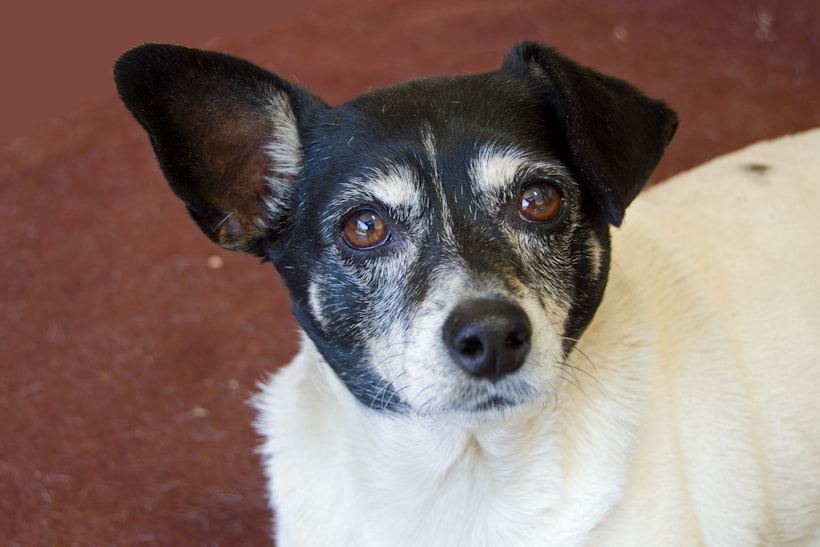
You've been filling the bowl every morning and evening. Your dog eats — maybe even enthusiastically. But somehow, they keep getting thinner. You can feel the ribs more easily than you used to. Their hindquarters look hollowed. And you're starting to wonder how a dog that's eating can be losing weight.
It's a question that deserves a real answer — because weight loss in a senior dog that's still eating is almost never "just old age." It's a signal that something is happening in the body that the food isn't addressing. Sometimes that something is manageable; sometimes it needs prompt attention. Either way, it's worth understanding.
How to Tell If Your Dog's Weight Loss Is Significant
Not all weight changes in senior dogs are cause for immediate alarm — but some are. VCA Animal Hospitals defines clinically significant weight loss as weight loss that exceeds 10% of the dog's normal body weight. For a 70-pound Labrador, that would mean losing more than 7 pounds. For a 15-pound Shih Tzu, losing more than 1.5 pounds.
The speed of weight loss matters as much as the amount. PetMD advises contacting a vet if your dog has lost more than 10% of their normal body weight, or is losing 2% or more of their body weight per week.
How to Assess Your Dog's Body Condition
You don't need a scale to notice concerning weight loss — your hands and eyes can tell you a lot. Here's a quick reference based on VCA Animal Hospitals' body condition guidelines:
| What You See / Feel | What It Suggests | Action |
|---|---|---|
| Ribs easily felt with light pressure, minimal fat covering | Lean but acceptable | Monitor; mention at next vet visit |
| Ribs visible without touching; prominent hip bones | Underweight — concerning | Vet appointment this week |
| Spine, ribs, and shoulder bones all visible; sunken appearance around head | Significantly underweight | Vet appointment within 48 hours |
| Rapid visible changes over days or weeks | May indicate serious illness | Vet same day or emergency |
7 Causes of Weight Loss in Senior Dogs That Are Still Eating
📝 Scenarios shared throughout this section represent common situations reported by pet owners and are used for illustrative purposes.
This is the most common reason a senior dog appears to be losing weight while eating normally — and it's important to understand that what's actually happening is muscle loss, not fat loss. According to PetMD, sarcopenia is the age-related progressive loss of lean muscle mass. As dogs age, their bodies become less efficient at building and maintaining protein, so muscle gradually wastes away even if caloric intake stays the same.
The result is a dog that looks thinner — particularly in the hindquarters and hind legs — but whose body weight on a scale may not have changed dramatically. The loss is in muscle density, not overall weight. The dog's head may appear sunken, ribs and spine more prominent, while their front end maintains more mass.
Chronic organ diseases are among the most common causes of unexplained weight loss in senior dogs — and they frequently cause weight loss before any other obvious symptoms appear. PetMD notes that metabolic and endocrine conditions such as chronic kidney disease and liver disease can cause weight loss even when a dog's appetite appears normal. The organs' reduced ability to process nutrients means the body is essentially unable to use the food being consumed effectively.
Diabetes is a well-recognized cause of weight loss in senior dogs despite a normal or even increased appetite. According to PetMD, in diabetic dogs, the body is unable to effectively use glucose (sugar) for energy — so instead it begins breaking down fat and muscle to meet its energy needs. The result is a dog that may eat well, or even seem hungrier than usual, but continues to lose weight.
This cause is often overlooked precisely because the dog appears to be eating. But according to PetMD, dental disease — including fractured teeth, periodontal disease, and oral masses — can make eating painful enough that a dog takes in significantly less food than their owner realizes. They may approach the bowl, eat some food, and then stop — appearing to eat normally from a distance while actually consuming far less than they need.
Conditions that affect the gastrointestinal tract's ability to absorb nutrients can cause significant weight loss even when a dog is eating well. PetMD identifies inflammatory bowel disease (IBD), exocrine pancreatic insufficiency (EPI), and other malabsorption disorders as important causes of weight loss in senior dogs. In these conditions, food passes through the digestive system without being properly absorbed — so the dog eats, but the nutrition never reaches the body.
EPI in particular can cause dramatic weight loss alongside increased appetite and loose, fatty-looking stools. IBD tends to cause more variable symptoms including intermittent vomiting, diarrhea, and gradual weight loss.
While often thought of as a puppy problem, intestinal parasites can affect senior dogs as well — particularly those with weakened immune systems. VCA Animal Hospitals lists intestinal parasites as one of the important causes to rule out in any dog presenting with weight loss, regardless of age. Parasites compete for nutrients in the digestive tract, causing weight loss even when food intake appears normal.
Cancer is a difficult topic to raise — but it's an important one, because unexplained weight loss in senior dogs is one of its most common early presentations. PetMD notes that cancers including lymphoma, gastrointestinal tumors, liver cancer, and hemangiosarcoma can all cause weight loss because of increased metabolic demands, decreased nutrient absorption, or organ dysfunction — even when a dog's appetite appears normal or only mildly reduced.
This doesn't mean cancer is the most likely explanation for your dog's weight loss — it isn't. But it does mean that unexplained weight loss in a senior dog deserves prompt veterinary investigation rather than a wait-and-see approach.
🚨 Go to the Vet the Same Day If Your Dog Shows:
- Rapid weight loss over just a few days or a week
- Weight loss alongside vomiting, diarrhea, or bloody stool
- Difficulty breathing or swallowing
- Collapse or extreme weakness alongside weight loss
- Yellowing of the skin, whites of the eyes, or gums (jaundice)
- Weight loss in a diabetic dog who has missed any meals
What Your Vet Will Do
Diagnosing the cause of weight loss in a senior dog typically involves a structured set of tests. Understanding what to expect can help reduce anxiety:
- Complete physical exam. Your vet will assess your dog's body condition score, feel for abnormal masses, examine the mouth and teeth, check lymph nodes, and listen to heart and lungs.
- Blood work (CBC + chemistry panel). VCA Animal Hospitals describes this as the cornerstone of weight loss investigation — it screens for organ disease, diabetes, thyroid abnormalities, infection, and anemia all in one test.
- Urinalysis. Checks kidney function and looks for signs of diabetes or infection that may not be obvious on blood work alone.
- Fecal exam. Rules out intestinal parasites — a simple, inexpensive test that VCA recommends as one of the first steps in any weight loss workup.
- Imaging (X-rays or ultrasound). May be recommended if blood work suggests organ disease, or to check for masses in the abdomen or chest.
What You Can Do at Home Right Now
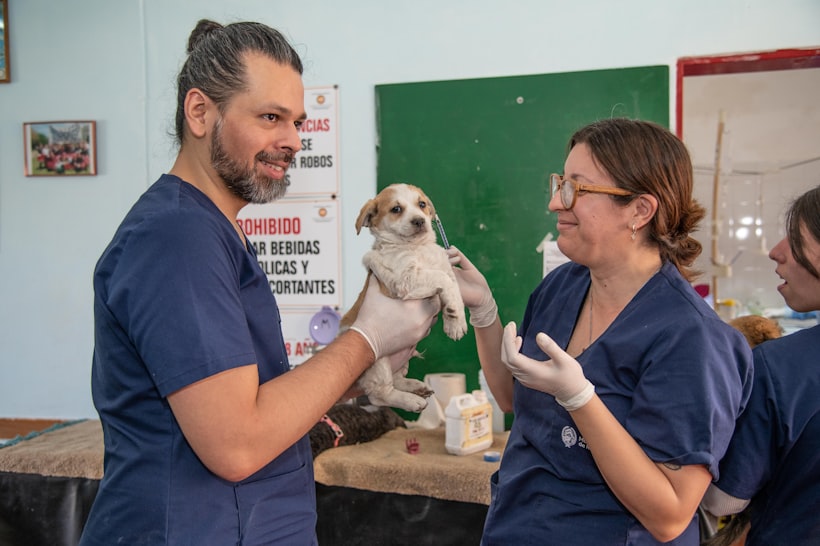
While you're arranging a veterinary appointment, there are things you can do to support your dog and gather useful information:
- Weigh your dog weekly and record it. Use a consistent scale — either a pet scale or a bathroom scale (weigh yourself, then weigh yourself holding the dog). Track the numbers in a notebook. This data is genuinely valuable to your vet.
- Check food quality and quantity. Measure exactly how much your dog is eating rather than estimating. Also check the food bag's expiry date — large bags that have been open for months can go stale or rancid, which may reduce palatability and intake even if the dog appears to eat.
- Switch to a higher-quality senior diet if appropriate. PetMD recommends high-calorie, nutrient-dense foods for dogs with generalized weight loss. Discuss any dietary changes with your vet first, especially if your dog has a known condition like kidney or liver disease that requires a specific diet.
- Add a protein-rich topper. A small amount of plain boiled chicken mixed into your dog's regular food can increase overall protein and caloric intake while improving palatability — particularly helpful for dogs whose appetite may be subtly reduced.
- Maintain gentle daily exercise. Regular low-impact movement — short walks, gentle play — helps preserve muscle mass and supports appetite. Avoid intense exercise until a cause is identified.
- Do not add supplements without vet guidance. While omega-3s may help with muscle maintenance and some conditions, the wrong supplements can interfere with diagnosis or worsen certain underlying conditions. Always check with your vet first.
Frequently Asked Questions
📚 Sources & References
- PetMD — Is Your Dog Losing Weight? Common Causes and When It's Time for a Vet Visit
- PetMD — Sarcopenia in Dogs
- PetMD — Senior Dog Care: How to Manage Common Health Issues — Reviewed by Senior Dog Veterinary Society; Dr. Lisa Lippman, DVM
- VCA Animal Hospitals — Abnormal Weight Loss in Dogs
- VCA Animal Hospitals — Testing for Weight Loss in Dogs
The Bottom Line
A senior dog losing weight while still eating is never something to dismiss as "just getting older." It's the body telling you something — and that something is almost always identifiable with the right tests.
The most important thing you can do is act without unnecessary delay. Not in a panic — weight loss alone, without other severe symptoms, is rarely an emergency. But with purpose: a vet appointment this week, not next month. Blood work, a fecal exam, and a thorough physical exam can answer most of the important questions in a single visit.
The earlier the cause is found, the more options you have. And your dog — who has been showing up for you every single day — deserves that same promptness in return.
Comments
Post a Comment