Best Joint Supplements for Senior Dogs — What Vets Actually Recommend
🐾 Senior Dog Health
June 2026
·
10 min read
Best Joint Supplements for Senior Dogs — What Vets Actually Recommend
✅
Information in this article references guidance from:
American Kennel Club (AKC.org), PetMD.com, and VCA Animal Hospitals.
Always consult a licensed veterinarian before adding supplements to your
dog's routine.
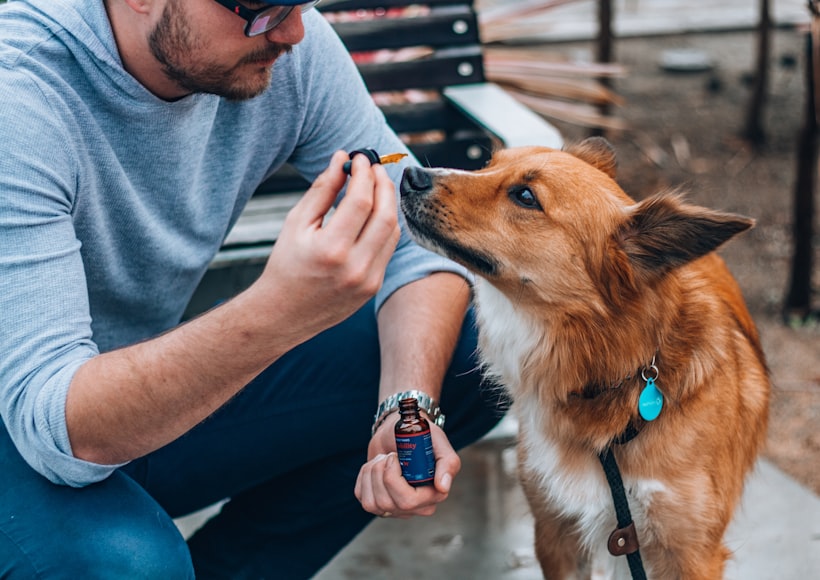
Joint supplements work best as part of a broader arthritis management
plan — not as a standalone treatment. VCA notes that omega-3 fatty acids
have the strongest evidence base of all joint supplements for dogs.
(Photo: Unsplash)
Quick Answer: VCA Animal Hospitals and the AKC
consistently identify
omega-3 fatty acids (fish oil with EPA) as having the
strongest evidence for reducing joint inflammation in senior dogs.
Glucosamine and chondroitin are widely used but have mixed research
results. Green-lipped mussel and microlactin show promising evidence. All
supplements work best alongside veterinary pain management —
they complement medication, they do not replace it.
Always choose products with the NASC quality seal and discuss dosing with
your vet.
The joint supplement aisle — whether at the pet store or online — can feel
overwhelming. There are dozens of products, all with similar packaging,
all making similar claims. And the marketing rarely tells you what
veterinary research actually shows: that not all joint supplements are
equally effective, that some have strong evidence and others have almost
none, and that supplements work best as part of a broader plan rather than
as a standalone solution.
This guide cuts through the noise with what VCA Animal Hospitals, PetMD,
and the AKC actually recommend — ranked by evidence, not marketing claims.
An Honest Look at What Joint Supplements Can and Cannot Do
Before diving into specific supplements, it's worth setting expectations
clearly — because the marketing around joint supplements often
overpromises.
VCA Animal Hospitals states clearly:
"Despite the popularity of glucosamine/chondroitin supplements,
research to support definitive benefits has yet to be
available."
At the same time, VCA and the AKC both recommend certain supplements as
part of a comprehensive joint management plan — because even supplements
with mixed evidence are generally safe, may help some dogs, and complement
other treatments that have stronger evidence.
⚠️ Critical point from VCA: Supplements are
not a substitute for veterinary pain management. A dog in
significant arthritis pain needs proper diagnosis and likely prescription
medication. Adding a glucosamine chew to an unmanaged pain condition is
not adequate treatment. The most effective approach combines prescription
medication, weight management, appropriate exercise, and supplements — not
supplements alone.
📝 Scenarios shared throughout this article represent common situations
reported by pet owners and are used for illustrative purposes.
Evidence Comparison: 6 Supplements Ranked by Strength of Evidence
| Supplement |
Evidence Level |
Primary Mechanism |
Best For |
| Omega-3 fatty acids (EPA) |
Strongest |
Reduces joint inflammation; blocks cartilage-degrading enzymes |
All arthritic senior dogs |
| Microlactin |
Strong |
Anti-inflammatory via different pathway than NSAIDs |
Dogs needing NSAID complement or reduction |
| Green-lipped mussel |
Moderate |
Natural omega-3s + cartilage-supporting compounds |
Dogs with mild-moderate arthritis |
| Glucosamine + Chondroitin |
Mixed |
Supports cartilage integrity and joint fluid |
Mild-moderate arthritis; prevention in at-risk dogs |
| MSM |
Limited |
Sulfur-based; may reduce inflammation and protect cartilage |
Often combined with glucosamine/chondroitin |
| Collagen |
Emerging |
Supports cartilage structure and joint resilience |
Supportive role alongside other supplements |
What Each Supplement Does and What Vets Say
This is the supplement with the strongest and most consistent evidence
base for joint health in senior dogs. VCA Animal Hospitals explains the
mechanism in detail: EPA (eicosapentaenoic acid) works by controlling
joint inflammation at the molecular level and blocking the enzymes that
degrade cartilage. Research cited by VCA shows that high levels of EPA
help stop cartilage from degenerating — making omega-3s a preventive as
well as a management tool.
PetMD and the AKC both recommend fish oil as a standard addition to an
arthritic senior dog's diet. It can be delivered through a joint-support
prescription diet (Hill's j/d, Royal Canin Advanced Mobility, Purina JM)
or as a standalone liquid or capsule supplement.
💬 Common Owner Experience
A pattern VCA vets describe frequently: an arthritic senior dog begins a
prescription joint diet rich in EPA alongside their NSAID. After 6–8
weeks, the owner notices the dog moving more freely, getting up from
rest more easily, and seeming more comfortable overall. The vet explains
that the EPA has been helping to reduce joint inflammation from the
inside — complementing what the NSAID manages from the outside. VCA
notes that the combination of prescription medication and omega-3-rich
diet consistently produces better outcomes than either approach alone.
💡 Dosing: The AKC recommends an EPA+DHA target of
700–1,500 mg per day for arthritic dogs, starting at the lower end.
Exact dose depends on body weight — always confirm with your vet. Fish
oil can interact with blood-thinning medications, so always disclose to
your vet before starting.
Microlactin is derived from the milk of hyperimmunized cows and works
through an anti-inflammatory mechanism entirely different from NSAIDs
and corticosteroids. VCA Animal Hospitals notes that research supports
its use in dogs with osteoarthritis, and that it can complement NSAID
therapy — potentially allowing vets to reduce NSAID dosage over time,
which reduces the risk of long-term side effects.
A key advantage: unlike NSAIDs, microlactin shows no evidence of
gastrointestinal irritation. VCA recommends overlapping microlactin with
the NSAID for 2–3 weeks before attempting to reduce the NSAID dose, as
it takes about two weeks to reach full effect.
💬 Common Owner Experience
A scenario VCA describes: a senior dog on long-term NSAID therapy for
arthritis begins microlactin alongside the medication. After several
weeks, the vet gradually reduces the NSAID dose. The dog maintains the
same level of comfort on the reduced NSAID because the microlactin is
providing complementary anti-inflammatory support. VCA notes that this
approach — reducing NSAID dependency while maintaining pain control — is
one of the most valuable applications of microlactin in arthritic senior
dogs.
Green-lipped mussel is a New Zealand shellfish extract that provides a
natural combination of omega-3 fatty acids alongside unique compounds
called ETA (eicosatetraenoic acid) and furan fatty acids, which may have
anti-inflammatory properties not found in standard fish oil. PetMD lists
green-lipped mussel as one of the key evidence-backed ingredients in
joint supplements for dogs. The AKC also recommends it as part of a
joint support approach for senior dogs.
It's often found in combination products alongside glucosamine and
chondroitin — products like Glycoflex and Dasuquin with GLM. It may be
particularly useful for dogs that have not responded fully to
glucosamine/chondroitin alone.
💡 Note on shellfish allergy: PetMD cautions that
green-lipped mussel, like glucosamine sourced from shellfish, may not be
appropriate for dogs with shellfish allergies. If your dog has a known
shellfish sensitivity, discuss alternative omega-3 sources (such as
algae-based DHA/EPA) with your vet.
These are by far the most widely marketed joint supplements for dogs —
and they are also the ones with the most complicated evidence picture.
VCA states directly: "Despite the popularity of glucosamine/chondroitin
supplements, research to support definitive benefits has yet to be
available." PetMD notes that the research is "contradictory" — some
studies show benefits, others do not.
What vets generally agree on: glucosamine and chondroitin are
safe for long-term use in most dogs, may help some dogs
(particularly with mild-to-moderate arthritis), and are worth trying as
part of a comprehensive plan. PetMD notes they may be most effective in
mild to moderate osteoarthritis and can be used preventively in dogs at
high risk.
💬 Common Owner Experience
A pattern PetMD vets describe: an owner starts their arthritic senior
dog on a glucosamine/chondroitin supplement and reports clear
improvement in mobility after 6–8 weeks. The vet notes this is a real
and common response — even if controlled studies are inconsistent,
individual dogs do respond, and some respond very well. PetMD advises
giving the supplement a consistent 4–8 week trial before concluding it
isn't helping — effects accumulate gradually rather than appearing
immediately.
⚠️ Shellfish allergy warning: Glucosamine is typically
derived from shellfish shells. PetMD advises avoiding glucosamine in
dogs with known shellfish allergies, as it may worsen allergy symptoms.
MSM is a sulfur-based compound often combined with glucosamine and
chondroitin in joint supplements. PetMD notes it may help reduce
inflammation and protect cartilage, though specific evidence in dogs is
more limited than for omega-3s. Collagen — the structural protein in
cartilage and connective tissue — is an emerging ingredient with a
plausible mechanism but limited independent evidence at this stage.
Both ingredients appear in reputable combination products like Cosequin
Maximum Strength and Dasuquin. When included alongside well-evidenced
ingredients like glucosamine and EPA, they may play a supportive role.
How to Choose a Quality Product
Supplements are not regulated by the FDA the same way medications are —
which means quality varies significantly between products. PetMD and VCA
both emphasize choosing products from reputable manufacturers. Here is
what to look for:
-
✅NASC Quality Seal. The National Animal Supplement
Council (NASC) awards a quality seal to manufacturers who meet rigorous
standards for safety, ingredient quality, and manufacturing practices.
PetMD recommends looking for the NASC seal when selecting any dog
supplement — it provides meaningful assurance that what's on the label
is actually in the product.
-
✅Named, specific ingredients with stated amounts. Look
for products that list exact amounts of active ingredients (e.g., "500
mg glucosamine HCl") rather than vague "proprietary blend" language. You
need to know what you're giving and at what dose.
-
✅Third-party testing. PetMD recommends products that
have undergone third-party testing for purity and potency — this
verifies that the product contains what it claims and no harmful
contaminants.
-
✅Reputable brands your vet recognizes. VCA notes that
your vet can help you choose a reputable manufacturer. Brands like
Cosequin, Dasuquin, and Glycoflex are widely recognized by veterinarians
as meeting quality standards.
-
✅Appropriate format for your dog. PetMD notes that
chews and soft treats are the most popular format because dogs treat
them as rewards — improving compliance for daily long-term
supplementation. Powders or capsules may suit picky eaters or dogs with
dietary restrictions.
💡 Never give human joint supplements to dogs. PetMD
warns that human supplements can contain xylitol (toxic to dogs),
inappropriate ingredient concentrations, or additives not safe for dogs.
Always use products specifically formulated for dogs.
When to Start — and What to Expect

A veterinary assessment — including physical exam and gait evaluation —
helps identify the right combination of medication, diet, and
supplements for each individual arthritic dog. (Photo: Unsplash)
The AKC notes that joint supplements are "often used as an early
intervention and throughout the progression of arthritis because they are
safe for long-term use in most patients." This means:
-
✅Start early if your dog is at risk. Large and giant
breed dogs, obese dogs, dogs with hip or elbow dysplasia, and dogs with
prior joint injuries are at higher risk for arthritis. The AKC suggests
discussing preventive supplementation with your vet before signs of
arthritis appear.
-
✅Give it 4–8 weeks before evaluating. PetMD notes that
most joint supplements take several weeks of consistent use before
effects become apparent. Don't discontinue after two weeks because you
don't see immediate improvement — gradual accumulation is how these
supplements work.
-
✅Consistency matters more than the specific product. A
moderately-evidenced supplement taken consistently every day will
outperform a better-evidenced supplement given sporadically. Choose a
format your dog accepts readily and build it into a daily routine.
-
✅Track changes objectively. Keep a simple weekly log of
your dog's mobility — how easily they get up, whether they hesitate on
stairs, how they move after rest. Subjective impressions can be
unreliable; a written record helps you and your vet assess whether the
supplement is working.
-
✅Tell your vet everything you're giving. VCA emphasizes
this — some supplements interact with medications. Fish oil, for
example, can affect blood clotting and may interact with certain NSAIDs
or blood-thinning medications. Your vet needs to know the full picture.
Frequently Asked Questions
Q: Do joint supplements actually work for senior dogs?
The honest answer: it depends on the supplement and the individual dog.
Omega-3 fatty acids have the strongest evidence and consistently show
benefit in clinical research. Glucosamine and chondroitin have mixed
research results but appear to help some dogs — particularly those with
mild-to-moderate arthritis. VCA recommends using supplements as part of
a comprehensive plan rather than as a standalone treatment, with your
vet guiding which options are most likely to help your specific dog.
Q: Can I give my dog human glucosamine supplements?
No. PetMD explicitly warns against giving human supplements to dogs
without veterinary guidance. Human formulations may contain xylitol
(toxic to dogs), different ingredient concentrations, or other additives
not safe for dogs. Always use products specifically formulated for dogs,
from reputable manufacturers with the NASC quality seal.
Q: What is the best joint supplement for a large breed senior dog?
VCA recommends discussing this with your vet based on your dog's
specific condition, body weight, and current medications. In general,
the AKC and VCA point to omega-3 fatty acids as the most evidence-backed
ingredient for all arthritic dogs. For large breeds, prescription joint
diets (Hill's j/d, Purina JM) may be particularly useful because they
deliver therapeutic levels of EPA per body weight — something difficult
to achieve with standalone supplements at appropriate cost.
Q: Can joint supplements replace arthritis medication?
No — and this is important. VCA is explicit: supplements complement
medication, they do not replace it. A dog in significant pain from
arthritis needs proper veterinary pain management — usually prescription
NSAIDs or newer options like Librela. Adding supplements to an
adequately managed pain condition can reduce inflammation further and
potentially allow lower medication doses over time, but they should
never be used as a substitute for diagnosis and appropriate treatment.
Q: How long should I give a joint supplement before deciding if it's
working?
PetMD recommends giving joint supplements a consistent 4–8 week trial
before evaluating effectiveness. Some dogs respond sooner; others take
longer. Keep a simple log of your dog's mobility and comfort week by
week — this gives you and your vet objective data to assess whether the
supplement is providing benefit. If there's no improvement after 8 weeks
of consistent use, discuss alternatives with your vet.
The Bottom Line
If there's one takeaway from this guide: omega-3 fatty acids (EPA from
fish oil or a prescription joint diet) have the strongest evidence and
should be the foundation of any joint supplement plan for an arthritic
senior dog. Everything else — glucosamine, chondroitin, green-lipped
mussel, MSM — plays a supporting role that may help your specific dog,
even if the broader research is mixed.
But supplements are only one part of the picture. Weight management,
appropriate exercise, prescription pain medication when needed, and
regular vet check-ups are what actually move the needle on an arthritic
dog's quality of life. Supplements work best when they're added to that
foundation — not substituted for it.
Talk to your vet. Get a proper assessment. Then build a plan that includes
the right supplements at the right doses — alongside everything else your
arthritic senior dog needs to stay comfortable.
Medical Disclaimer: This article is written for
informational and educational purposes only and does not constitute
veterinary medical advice, diagnosis, or treatment. Joint supplements
should be discussed with a licensed veterinarian before starting,
particularly if your dog is on other medications. Never give human
supplements to your dog without veterinary guidance.


Comments
Post a Comment