Best Food for Senior Dogs With Arthritis — What Vets Actually Recommend
🐾 Senior Dog Nutrition
June 2026
·
10 min read
Best Food for Senior Dogs With Arthritis — What Vets Actually Recommend
✅
Information in this article references guidance from:
American Kennel Club (AKC.org), PetMD.com, and VCA Animal Hospitals.
Always consult a licensed veterinarian before changing your arthritic
dog's diet.
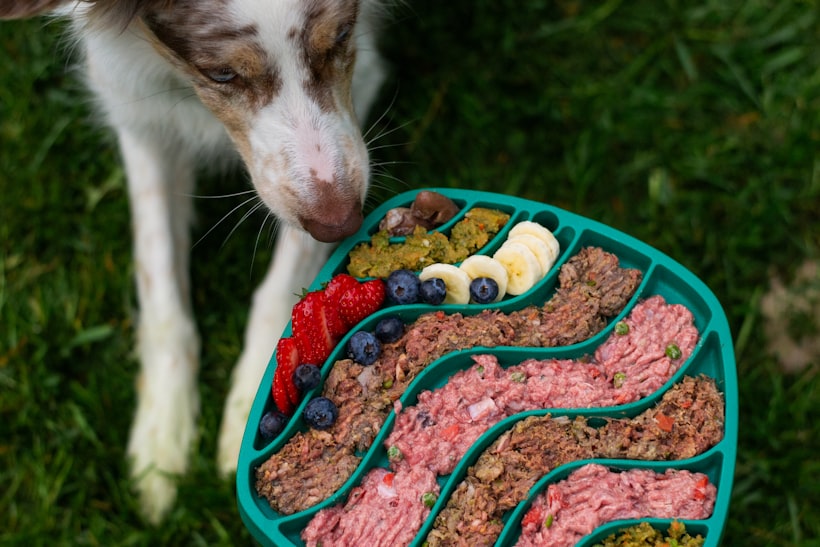
The right diet can meaningfully reduce joint inflammation in arthritic
dogs — but the key ingredients vary from what most owners expect.
(Photo: Unsplash)
Quick Answer: For senior dogs with arthritis, vets
consistently recommend food that is:
high in omega-3 fatty acids (EPA and DHA) to reduce joint
inflammation, high in quality protein to maintain muscle
mass, and calorie-appropriate to prevent the weight gain
that stresses arthritic joints. VCA Animal Hospitals notes that omega-3
fatty acids are the most evidence-backed nutritional intervention for
arthritis — but only when provided at sufficient levels, which many
standard dog foods do not achieve. For many dogs with moderate-to-severe
arthritis, a prescription joint diet may outperform any over-the-counter
option.
When your senior dog has arthritis, you want to do everything possible to
make them more comfortable. And food is one area where you can genuinely
make a difference — not just by choosing the right ingredients, but by
understanding which nutritional claims are backed by real evidence and
which are mostly marketing.
The answer may surprise you. According to VCA Animal Hospitals, the most
evidence-backed nutritional intervention for canine arthritis isn't
glucosamine — it's omega-3 fatty acids. And it isn't just
about which brand to buy; it's about getting the right nutrients at the
right levels, often with your vet's guidance.
The 4 Nutrients That Matter Most for Arthritic Dogs
📝 Scenarios shared in this article represent common situations reported
by pet owners and are used for illustrative purposes.
This is the nutrient with the most scientific support for arthritis
management in dogs. VCA Animal Hospitals states clearly that omega-3
fatty acids — specifically eicosapentaenoic acid (EPA) and
docosahexaenoic acid (DHA) — are well established as a way to modify
chronic joint inflammation. PetMD similarly notes that fish oil
decreases the production of inflammatory compounds in the joints, and
that arthritic dogs supplemented with fish oil tend to be more
comfortable and agile.
The critical caveat: levels matter enormously. VCA notes that many
standard dog foods contain some fish oil, but not at concentrations high
enough to make a meaningful difference. This is why many vets recommend
either a specialized joint diet or a separate omega-3 supplement
alongside regular food.
💬 Common Owner Experience
A pattern VCA Animal Hospitals describes frequently: an owner purchases
a dog food labeled "with fish oil" for their arthritic senior dog,
assuming this addresses the omega-3 need. After several months with
little change in the dog's comfort level, a vet visit reveals the food
contains omega-3s far below the therapeutic level needed for joint
inflammation. After switching to a veterinary joint diet with measured
EPA/DHA content, the dog's mobility improves noticeably within 6–8
weeks. VCA notes that the level of EPA and DHA in a food must be high
enough to be effective — and that label language about fish oil does not
guarantee therapeutic levels.
💡 What to look for: The AKC recommends that EPA and
DHA combined reach 700–1,500 mg per day for arthritic dogs, starting at
the lower end and adjusting based on your dog's response. Your vet can
calculate the target dose based on your dog's weight.
Arthritic dogs often move less, which accelerates muscle loss
(sarcopenia). Maintaining muscle mass is critical — not just for
strength, but because muscle supports and stabilizes the joints affected
by arthritis. Without adequate muscle, joints bear more direct impact,
which worsens pain and mobility.
According to the AKC, older dogs may need about 50% more protein to
maintain muscle mass compared to younger adults. PetMD recommends
looking for high-quality, easily digestible protein sources — chicken,
turkey, salmon, beef, eggs, and organ meats — listed as the first
ingredient on the food label.
💬 Common Owner Experience
A scenario PetMD vets describe regularly: an arthritic senior dog's
owner is advised by a neighbor to switch to a low-protein "senior" diet,
believing protein is hard on older kidneys. The dog gradually loses
muscle mass over several months, their hind legs weaken, and the
arthritis appears worse. A vet consultation clarifies that unless a dog
has diagnosed kidney disease, reducing protein in an arthritic senior
dog is counterproductive — it accelerates the muscle loss that worsens
joint instability. PetMD and the AKC both recommend high-quality protein
as a nutritional priority for healthy senior dogs with arthritis.
⚠️ Exception: If your dog has diagnosed kidney disease
alongside arthritis, protein recommendations change significantly. Dogs
with kidney disease may need lower protein levels — but this requires a
vet's guidance and is not appropriate to apply generally. Never reduce
protein based on age alone without your vet's recommendation.
Glucosamine and chondroitin are the most widely marketed ingredients for
joint health in dogs — but the evidence is more complicated than the
packaging suggests. VCA Animal Hospitals notes that controlled studies
have failed to show a consistent beneficial effect of glucosamine and
chondroitin in dogs, and that these supplements are not effective as
standalone treatments for osteoarthritis.
The AKC takes a more optimistic view, noting that glucosamine and
chondroitin may help protect cartilage and stimulate the body to produce
more. PetMD suggests they may provide benefit for some dogs,
particularly as part of a broader joint-support approach alongside
omega-3s.
💡 Bottom line: Glucosamine and chondroitin are
generally safe for long-term use in most dogs and are unlikely to cause
harm. But VCA recommends prioritizing omega-3 fatty acids and weight
management first, as these have stronger evidence. If you want to add
glucosamine, discuss it with your vet rather than relying on it as a
primary intervention.
Chronic inflammation — including the joint inflammation of arthritis —
generates oxidative stress in the body. Antioxidants help counter this
process. The AKC recommends antioxidants including vitamins C and E as
beneficial additions to a senior arthritic dog's diet. PetMD's guide to
senior dog nutrition also lists antioxidants as a key component of joint
support diets.
Many quality senior and joint-support diets already include
antioxidant-rich ingredients. As a dietary supplement, the AKC notes
that berries — blueberries, raspberries, blackberries — are among the
highest antioxidant foods and can be offered as low-calorie treats.
💬 Common Owner Experience
A pattern described in AKC nutrition guidance: a senior dog owner adds a
small daily serving of fresh blueberries as treats alongside a diet
change to a joint-support food. The dog enjoys the treats, and over time
the owner notices a gradual improvement in mobility and energy. AKC
notes that while blueberries alone are not a treatment for arthritis,
antioxidant-rich whole foods complement the anti-inflammatory dietary
approach that helps manage joint inflammation in older dogs.
Why Weight Control May Be More Important Than Any Ingredient
Before discussing specific foods and supplements, veterinarians
consistently emphasize one point above all others:
body weight is the single most important nutritional factor in managing
canine arthritis.
VCA Animal Hospitals explains the mechanism clearly: body fat secretes
inflammatory and pro-inflammatory hormones that directly contribute to
joint inflammation. Every extra pound your dog carries is also additional
mechanical stress on already-painful joints. AKC's Chief Veterinarian Dr.
Jerry Klein states that "weight management is prime" for arthritic dogs.
PetMD notes that reducing a dog's need for medications is often achievable
simply through improving body weight — meaning that the right diet at the
right portion size may reduce pain as effectively as adding supplements,
and possibly more so.
💬 Common Owner Experience
A scenario VCA vets describe as one of the most rewarding outcomes in
senior dog care: an arthritic dog that was significantly overweight is
transitioned to a calorie-controlled veterinary joint diet. Over 4–6
months, the dog loses 15% of their body weight. The improvement in
mobility is dramatic — the dog can rise from the floor more easily, climbs
stairs without assistance, and appears more comfortable overall. VCA notes
that weight loss alone — without any change in medication — frequently
produces significant improvement in arthritic dogs, because every pound of
body weight removed reduces the mechanical load on the joints and
decreases systemic inflammation.
💡 Practical guidance: If your arthritic dog is
overweight, the most impactful nutritional change you can make may not be
switching to a joint supplement — it may be reducing caloric intake. Ask
your vet to assess your dog's body condition score and calculate a calorie
target for gradual weight loss.
OTC vs. Prescription Diets — What's the Difference?
|
Over-the-Counter Senior/Joint Diets |
Prescription Joint Diets |
| Availability |
Pet stores, online retailers |
Requires vet prescription |
| EPA/DHA levels |
Variable — often below therapeutic levels |
Formulated to meet therapeutic dose by body weight |
| Clinical evidence |
Limited; label claims not always backed by trials |
Evaluated in clinical trials; studied in arthritic dogs |
| Best for |
Mild arthritis; prevention; weight maintenance |
Moderate-to-severe arthritis; dogs needing therapeutic omega-3 levels
|
| Examples |
Various senior or "joint support" formulas |
Hill's Prescription Diet j/d, Purina Pro Plan JM Joint Mobility, Royal
Canin Advanced Mobility Support
|
| Cost |
Lower |
Higher — but may reduce medication costs |
💡 VCA recommends: For many dogs with moderate-to-severe
arthritis, a prescription joint diet can reduce the dog's need for
medications by providing therapeutic levels of anti-inflammatory omega-3
fatty acids. Discuss this option with your vet — the cost of the food may
offset the cost of additional supplements or higher medication doses.
What to Look for on the Label
When evaluating any dog food for an arthritic senior, PetMD recommends
starting with the AAFCO adequacy statement — this confirms the food meets
minimum nutritional requirements and has undergone appropriate evaluation.
Beyond that, look for these specific indicators:
-
✅Named protein source as first ingredient. Chicken,
turkey, salmon, beef, or lamb listed first indicates a protein-forward
formula. Avoid foods where corn, wheat, or by-product meal appears
before any meat source.
-
✅Fish oil, salmon oil, or marine oil listed in ingredients.
The presence of these ingredients suggests a meaningful omega-3 source —
though the level may not be therapeutic without confirmation from the
manufacturer or your vet.
-
✅EPA and DHA levels on guaranteed analysis. Some foods
list specific EPA/DHA amounts — this is more useful than simply seeing
"fish oil" in the ingredient list. Look for this on the guaranteed
analysis panel or the manufacturer's website.
-
✅AAFCO statement for "adult maintenance" or "all life stages."
VCA notes that foods marketed as "all life stages" are formulated for
puppies and may provide excessive nutrients for senior dogs. A food
labeled for "adult maintenance" is generally more appropriate.
-
✅Calorie content appropriate for your dog's target weight.
Check the kcal/cup figure and compare it to your dog's daily calorie
needs — particularly important for overweight arthritic dogs who need a
calorie deficit.
What to Avoid
-
✅Avoid foods marketed as "all life stages" for arthritic
seniors.
These are formulated to meet puppy nutrient requirements and may provide
excessive levels of certain nutrients — including phosphorus — that
could be problematic for dogs with concurrent kidney disease.
-
✅Avoid high-calorie foods if your dog is overweight.
Many joint-support foods have calorie contents similar to standard adult
maintenance foods. If your dog needs to lose weight, a
calorie-restricted therapeutic diet may be more appropriate than simply
switching to a joint formula.
-
✅Avoid adding supplements without vet guidance. PetMD
cautions that supplements can interact with medications or duplicate
nutrients already in the diet. Arthritic dogs are often on NSAIDs — some
supplements affect how these medications work. Always check with your
vet before adding anything.
-
✅Avoid sudden food changes. PetMD recommends
transitioning to any new food gradually over 7–10 days. Sudden changes
can cause vomiting, diarrhea, and food aversion — particularly in senior
dogs with sensitive digestive systems.
How to Transition Your Dog to a New Food
PetMD recommends a gradual transition to any new food — and this is
especially important for arthritic senior dogs, whose digestive systems
may be more sensitive.
-
✅Day 1–3: 75% old
food, 25% new food
-
✅Day 4–6: 50% old
food, 50% new food
-
✅Day 7–9: 25% old
food, 75% new food
-
✅Day 10+: 100% new
food
Monitor your dog's stool throughout the transition. Loose stools,
excessive gas, or vomiting suggests the transition may be happening too
quickly — slow down and extend each phase by a few days.

A well-chosen diet — rich in therapeutic omega-3 fatty acids and
appropriate in calories — can meaningfully improve an arthritic senior
dog's comfort and mobility over time. (Photo: Unsplash)
Frequently Asked Questions
Q: Does glucosamine in dog food actually help arthritis?
The evidence is mixed. VCA Animal Hospitals notes that controlled
studies have failed to show a consistent beneficial effect of
glucosamine and chondroitin in dogs with osteoarthritis. The AKC is more
optimistic, suggesting these supplements may help protect cartilage. The
consensus among vets is that glucosamine is unlikely to cause harm and
may provide some benefit for some dogs — but it should not be relied on
as a primary intervention, and omega-3 fatty acids have significantly
stronger evidence for reducing joint inflammation.
Q: Is wet food better than dry food for arthritic senior dogs?
Not necessarily from a joint-health standpoint — the key is the
nutritional content, not the format. However, PetMD notes that wet food
may be preferable for dogs with concurrent dental disease who find
chewing dry kibble uncomfortable. Wet food is also lower in calories per
serving, which may benefit overweight arthritic dogs. Discuss the format
with your vet based on your dog's specific needs.
Q: Should I add fish oil to my arthritic dog's food?
Fish oil supplementation is well-supported by evidence for arthritic
dogs — PetMD notes that dogs given fish oil tend to be more comfortable
and agile. However, dose matters. The AKC recommends a combined EPA and
DHA target of 700–1,500 mg per day, building from the lower end. Always
discuss dosing with your vet, as fish oil can interact with
blood-thinning medications, and excessive amounts can cause digestive
upset or other effects. Never give fish oil at human dosages without vet
guidance.
Q: Are prescription joint diets worth the extra cost?
For dogs with moderate-to-severe arthritis, VCA Animal Hospitals
suggests they frequently are. Prescription diets like Hill's j/d and
Purina Pro Plan JM are formulated to deliver therapeutic EPA and DHA
levels based on body weight, have been evaluated in clinical trials in
arthritic dogs, and may reduce the amount of pain medication needed —
potentially offsetting their higher cost. For mild arthritis or as
prevention, a high-quality OTC senior food may be sufficient. Ask your
vet which option is appropriate for your dog's severity level.
Q: My dog has both arthritis and kidney disease — what should I feed
them?
This requires individualized veterinary guidance. Kidney disease
typically calls for phosphorus restriction and protein modification,
which conflicts with the high-protein, joint-support approach
recommended for arthritis. VCA notes that dogs with multiple conditions
need a nutritional plan that prioritizes the conditions appropriately —
which is best achieved with your vet's guidance, and potentially a
referral to a veterinary nutritionist who can formulate a plan that
addresses both conditions.
📚 Sources & References
-
VCA Animal Hospitals —
Arthritis and Nutrition for Dogs
— Sarah K. Abood, DVM, PhD; Ryan Llera, BSc, DVM; Robin Downing, DVM,
CVPP, CCRP, DAAPM
-
VCA Animal Hospitals —
Nutraceuticals for Joint Support in Dogs with Osteoarthritis
-
American Kennel Club —
Senior Dog Nutrition and Supplement Tips
-
American Kennel Club —
Arthritis in Dogs: How to Treat and Manage Pain
— Dr. Jerry Klein, Chief Veterinarian, AKC
-
PetMD —
Fish Oil for Dogs: Benefits, Dosage, and Vet Pick
-
PetMD —
5 Tips for Feeding a Senior Dog
-
PetMD —
Senior Dog Food: When to Switch and Why
The Bottom Line
If your senior dog has arthritis, the two most impactful things you can do
nutritionally are: make sure they're getting therapeutic levels of omega-3
fatty acids (EPA and DHA), and make sure they're at a healthy weight.
Everything else — glucosamine, chondroitin, antioxidants — plays a
supporting role.
Standard senior dog foods may not provide omega-3s at levels high enough
to make a meaningful difference. Your vet can help you assess whether your
current food is sufficient, whether a prescription joint diet makes sense,
or whether a supplement is the better path for your dog's specific
situation.
Food alone won't eliminate arthritis pain — but the right food, at the
right portions, consistently fed, is one of the clearest ways to keep an
arthritic dog more comfortable every single day.
Medical Disclaimer: This article is written for
informational and educational purposes only and does not constitute
veterinary medical advice, diagnosis, or treatment. Dietary needs for dogs
with arthritis vary significantly based on other health conditions. Always
consult a licensed veterinarian before changing your dog's diet or adding
supplements.


Comments
Post a Comment