🐾 Senior Dog Care TipsJune 2026·9 min read
How Often Should You Bathe a Senior Dog? Here's What Vets Say Helps
✅ Information in this article references guidance from: American Kennel Club (AKC.org), PetMD.com, and VCA Animal Hospitals. Always consult a licensed veterinarian for guidance tailored to your senior dog's specific health needs.
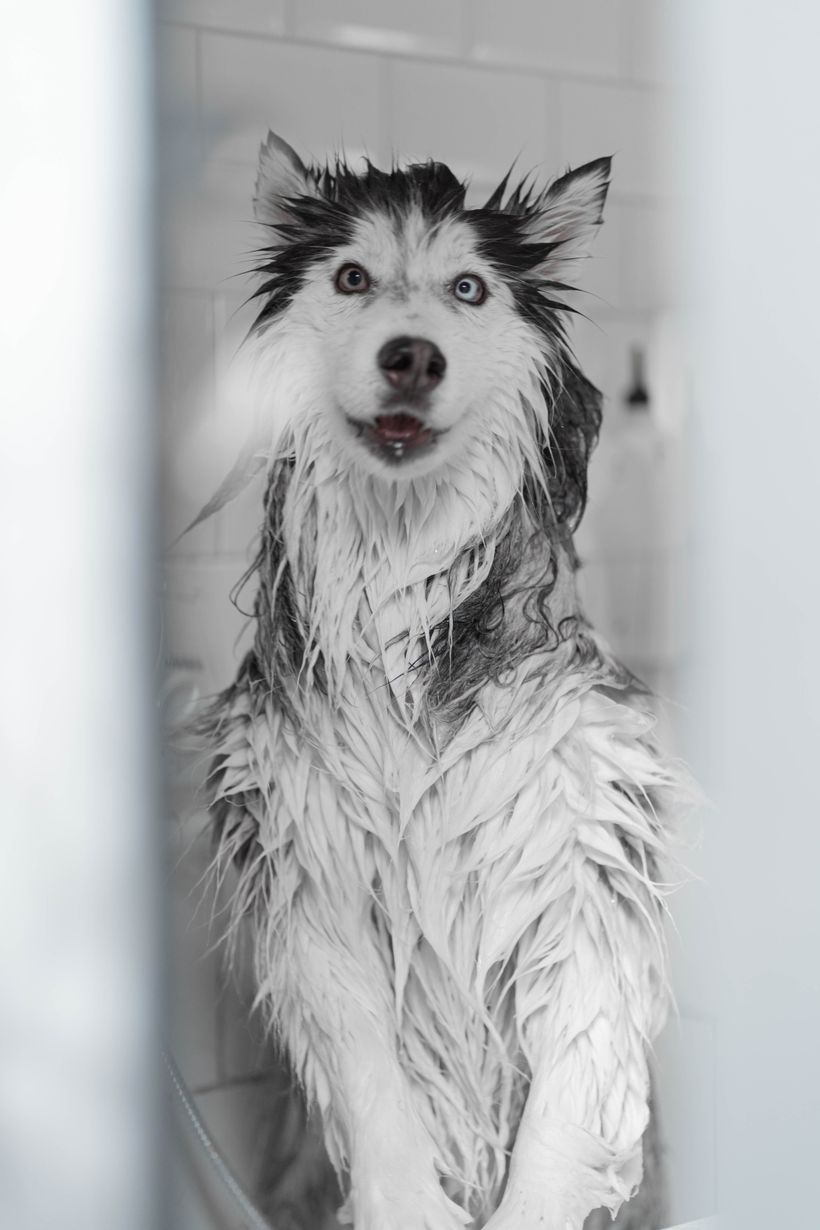
Bath time can be one of the most nurturing things you do for your senior dog — or one of the most stressful, if it's not done with their aging body in mind. Getting the frequency right matters more than most owners realize. (Photo: Pexels)
Quick Answer: According to PetMD, most senior dogs need bathing less often than younger dogs — every 4 to 8 weeks is appropriate for most seniors with typical coats and healthy skin. Overbathing strips aging skin of natural oils, making dryness and irritation worse. Some dogs need more frequent care — particularly those with urinary incontinence or a vet-prescribed skin condition — but daily full baths are rarely the answer. Between baths, the AKC recommends regular brushing and grooming wipes to keep your senior dog clean and comfortable.
You've been wondering if you're doing it right. Your senior dog's grooming needs feel different now — their coat seems drier, their skin a little more delicate, and they're less tolerant of the whole process than they used to be. Somewhere between wanting to keep them clean and not wanting to cause discomfort, the right answer isn't obvious.
It's a question that comes up in veterinary practices regularly, and the answer turns out to be more nuanced than a single number. The right bathing frequency for a senior dog depends on their coat type, skin health, activity level, and any underlying conditions — particularly incontinence or skin issues that can change the equation significantly.
What veterinarians consistently agree on, though, is this: most senior dogs need less frequent bathing than their younger counterparts — not more. And getting the frequency right matters more than it did when your dog was young, because aging skin is far more vulnerable to the effects of overbathing.
How Often Should You Bathe a Senior Dog?
PetMD's veterinary guidance is direct: senior dogs "typically do not need as much bathing — usually just enough to keep any body odor at bay." For most senior dogs with a short to medium coat and no specific health conditions, bathing every 4 to 8 weeks is appropriate.
The AKC frames it helpfully: "We should wash our dogs when they are no longer huggable." For senior dogs — who tend to be less active, spend more time indoors, and aren't rolling in mud as frequently as they once did — that threshold may be a longer interval than you'd expect.
That said, the right frequency varies. Here's how different situations generally break down, according to AKC and PetMD guidance:
| Senior Dog's Situation | Recommended Bath Frequency |
|---|
| Short or medium coat, healthy skin, mostly indoors | Every 6–8 weeks |
| Long coat, prone to tangles or mats | Every 4–6 weeks (plus regular brushing) |
| Active dog with outdoor exposure | Every 2–4 weeks as needed |
| Dog with urinary incontinence | Every 2–4 weeks + daily spot cleaning with wipes |
| Skin condition with prescribed medicated shampoo | Per veterinarian's instructions (often weekly during treatment) |
💡 AKC note: "Thorough coat-brushing and combing and conditioning are more integral to the pet's health than bathtime." For most senior dogs, increasing brushing frequency is more beneficial — and far less stressful — than increasing bathing frequency.
How Senior Dog Skin Is Different — and Why It Matters
Understanding why aging skin responds differently to bathing is the key to getting the frequency right. Senior dogs aren't just older versions of younger dogs — their skin and coat undergo real physiological changes that make them more sensitive to the effects of overbathing.
The following scenarios are for illustrative purposes only and represent common patterns described in veterinary practice. They do not refer to specific individuals.
As dogs age, their skin produces fewer natural oils — the same oils that keep the coat shiny and protect the skin barrier. PetMD notes that overbathing strips these oils faster than an aging dog can replenish them, leading to dry, itchy, and flaky skin. In younger dogs, the skin's oil production bounces back relatively quickly. In senior dogs, this recovery is slower and the consequences — including increased vulnerability to irritation and secondary infection — are more significant.
The AKC recommends using moisturizing shampoos specifically designed for dogs with dry skin (oatmeal-based formulas are widely recommended by vets), and supplementing baths with a conditioning rinse to help restore what washing removes.
💬 Common Owner ExperienceA pattern vets describe frequently: an owner notices their senior dog's skin seems flaky and their coat has lost its shine. Well-meaning, they increase bathing frequency thinking cleanliness will help. Instead, the condition worsens — the coat becomes duller and the skin grows more irritated. PetMD notes that this is a predictable consequence of overbathing aging skin: the more frequently natural oils are stripped, the harder it becomes for aging skin to recover. Switching to monthly baths with an oatmeal shampoo typically resolves mild cases within a few weeks.
Senior dogs — particularly those with arthritis, hip stiffness, or spinal changes — gradually lose the flexibility to reach areas they once groomed easily. The AKC notes this means mats, tangles, and odor can build up faster in senior dogs, not because they need more baths, but because they're unable to maintain themselves between grooming sessions. Increasing bathing frequency is physically demanding for arthritic dogs and doesn't address the real issue. Vets typically recommend increasing brushing frequency as the more appropriate solution — it's gentler, doesn't stress joints, and addresses the root cause of coat deterioration.
💬 Common Owner ExperienceA scenario AKC vets describe: a senior dog's coat starts matting and developing mild odor faster than it used to — even though nothing in the owner's routine has changed. What's changed is the dog's range of motion. With arthritis limiting hip and spinal flexibility, the dog can no longer reach their hindquarters, inner thighs, or the base of their tail the way they once did. Adding daily gentle brushing to those specific areas eliminates the matting problem without a single additional bath — and is far easier on the dog's arthritic body.
Senior dogs are more prone to seborrhea (greasy or flaky skin), secondary bacterial and yeast infections, and allergic skin reactions than younger dogs. PetMD warns that if your senior dog develops new skin changes — odor, flaking, redness, or greasiness — the cause is likely not a bathing frequency issue but an underlying skin condition that warrants veterinary assessment. Using the wrong shampoo — or bathing too often in an attempt to manage symptoms at home — can worsen an already-irritated skin barrier and delay proper treatment.
💬 Common Owner ExperienceA pattern PetMD vets describe: a senior dog develops a persistent greasy coat and skin odor that doesn't improve despite more frequent bathing. The owner has been using the same shampoo for years. A vet examination reveals a yeast overgrowth on the skin — a condition that becomes more common in senior dogs and that regular shampoo cannot treat. A medicated antifungal shampoo, available only through a licensed veterinarian, is prescribed. Once the underlying condition is addressed, the odor resolves and the dog returns to standard monthly bathing.
When to Bathe More Often Than Every 4–8 Weeks
While most senior dogs need less frequent bathing, a few specific situations do call for more frequent coat care. Recognizing these situations — and responding correctly — prevents both under-cleaning and the damage of overbathing.
The following scenarios are for illustrative purposes only and represent common patterns described in veterinary practice. They do not refer to specific individuals.
PetMD identifies urinary incontinence as one of the key reasons some senior dogs need more frequent coat care. When urine soils the hindquarters and inner thighs — particularly during sleep — it can cause skin irritation, ammonia burns, and secondary infection if not kept clean. However, daily full baths are almost never the right response. They strip the skin barrier precisely in the areas already most vulnerable to irritation. PetMD recommends spot cleaning with gentle dog-safe grooming wipes for daily hygiene, combined with baths every 2 to 4 weeks, while working with your veterinarian to address the underlying incontinence.
💬 Common Owner ExperienceA scenario described in PetMD's guidance on senior incontinence: an owner discovers their senior dog is waking up in wet bedding several times a week. They begin bathing the dog daily to keep them clean. Within two weeks, the hindquarters skin becomes raw, red, and irritated — and the dog is reluctant to be touched there. A vet advises switching to twice-daily grooming wipes for the affected areas, combined with waterproof bedding covers and a treatment plan for the incontinence itself. The daily bathing is stopped, and the skin irritation resolves. The lesson: more frequent spot cleaning is almost always more appropriate than more frequent full baths.
VCA Animal Hospitals explains that medicated shampoos — prescribed for bacterial skin infections, yeast infections, and skin allergies — are only effective when used at the frequency your veterinarian specifies. Most require the shampoo to remain on the skin for a set contact time (often 10 minutes) before rinsing, and the frequency is determined by the condition being treated. VCA notes that medicated shampoos should be applied to a clean, wet coat. These products are available only through a licensed veterinarian, who will prescribe the appropriate shampoo and treatment schedule. Once the condition resolves, the dog typically returns to their standard bathing interval.
💬 Common Owner ExperienceA scenario VCA vets describe: an owner notices their senior dog scratching persistently, with red and irritated patches developing between the toes and on the belly. A vet diagnoses a bacterial skin infection and prescribes a medicated antibacterial shampoo — available only through a licensed veterinarian — with twice-weekly baths for four weeks. The owner is initially concerned about bathing so frequently given the dog's age and dry skin, but the vet explains the treatment protocol is temporary and the infection poses a greater risk than the bathing frequency. After the treatment course, the skin clears completely and the dog returns to bathing every 6 weeks.
Not all senior dogs are sedentary. Some continue to enjoy regular outdoor walks, yard exploration, or hikes that result in a visibly soiled coat. The AKC notes that dogs that play in mud, roll in grass, or get into ponds may need baths every 2 to 4 weeks — or as needed when they're obviously dirty, regardless of whether their scheduled bath is due. For dogs bathed more frequently, using a moisturizing oatmeal shampoo is especially important to offset the drying effect of more regular washing. Always ensure the dog is fully dried after a bath before going outside, particularly in cooler weather.
💬 Common Owner ExperienceA common scenario described in AKC grooming guidance: a senior dog living in a home with a large yard continues to roll in grass and wade in puddles on walks, returning visibly dirty every week or two. The owner bathes them every two weeks to maintain hygiene. A vet approves the schedule but recommends switching to an oatmeal-based moisturizing shampoo to compensate for the more frequent washing, and confirms that thorough drying after each bath is essential to prevent chilling — senior dogs regulate body temperature less efficiently than younger dogs and are more sensitive to post-bath cold.
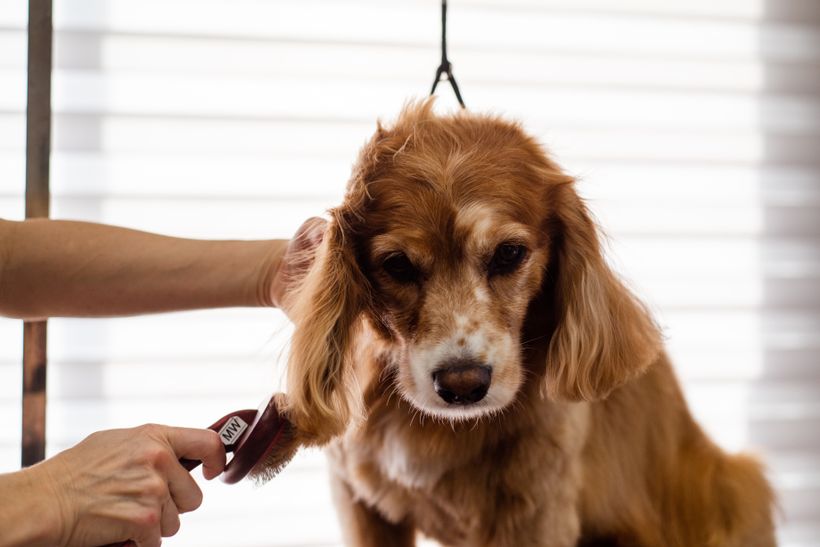
Thorough drying after a bath is especially important for senior dogs — they're more sensitive to cold and less able to regulate body temperature than younger dogs. Keep them warm and calm throughout the process, and use a low-heat dryer if needed. (Photo: Pexels)
How to Bathe a Senior Dog Safely — Step by Step
Bathing a senior dog requires more preparation and care than bathing a younger, more flexible dog. Arthritis, weaker muscles, and sensitivity to temperature all mean that small adjustments make a significant difference in how comfortable — and safe — the experience is.
- ✅Set up everything before bringing your dog in. Have your shampoo, towels, and non-slip mat ready before your dog enters the bathing area. Reducing the time they stand waiting lowers stress and discomfort for arthritic dogs.
- ✅Use a non-slip mat in the tub or bathing area. Slipping or scrambling to find footing is one of the most common sources of stress — and injury risk — for senior dogs during baths. A rubber mat eliminates this problem entirely.
- ✅Use lukewarm water only. Senior dogs are more sensitive to temperature extremes than younger dogs. Water that is too hot or too cold can cause shock, excessive shivering, or significant distress. Test the water on your inner wrist before beginning.
- ✅Wet the coat thoroughly before applying shampoo. Use a hand-held spray attachment or cup to saturate the coat completely. VCA notes that medicated shampoos in particular should be applied to a clean, wet coat for best results.
- ✅Massage gently — especially over arthritic areas. A gentle massage while lathering can actually be soothing for arthritic joints. Use slow, circular movements and avoid any area your dog pulls away from or vocalizes about.
- ✅Keep the bath short. Extended standing is tiring and painful for dogs with arthritis or weak hindquarters. Work efficiently and aim to keep the full bath — wet, shampoo, rinse — under 10 to 15 minutes where possible.
- ✅Rinse thoroughly. VCA emphasizes that residual shampoo left on the skin is a significant cause of irritation. Take extra time to rinse all areas — particularly the groin, armpits, and between the toes where shampoo pools.
- ✅Dry completely before your dog goes outside. Senior dogs are more susceptible to chilling than younger dogs. Towel-dry thoroughly and use a low-heat hair dryer if your dog tolerates it. Do not let a wet senior dog outside in cool or cold weather.
- ✅End with calm praise and a reward. PetMD recommends ending bath time positively to reduce anxiety for future baths. For senior dogs with cognitive dysfunction, positive reinforcement is especially important in maintaining cooperative behavior over time.
🚨 Stop and Contact Your Vet If You Notice
- Yelping, snapping, or crying when you touch specific areas — this may indicate a painful condition that needs assessment before bathing continues
- Excessive shivering that does not stop after drying and warming — this may indicate hypothermia or shock
- Labored breathing, pale gums, or weakness after getting out of the tub
- Skin rash, hives, or swelling developing after a bath — this may indicate an allergic reaction to the shampoo being used
- Your dog is unable to stand steadily or walks unsteadily after bathing — this warrants an immediate vet call
- Open sores, wounds, or areas of skin that are red, warm, or weeping — these should be assessed by a veterinarian before bathing, as shampoos can worsen active skin infections
Between-Bath Care Vets Recommend
For senior dogs, the most important grooming work happens between baths — not during them. AKC and PetMD both emphasize that regular brushing, spot cleaning, and basic hygiene maintenance are more impactful for a senior dog's overall coat and skin health than bathing frequency alone.
Regular Brushing
The AKC recommends brushing at minimum once per week for most dogs, with daily brushing for long-coated breeds. For senior dogs that can no longer self-groom effectively, targeting problem areas — the hindquarters, inner thighs, armpits, and base of the tail — with a gentle brush several times a week prevents matting and distributes natural skin oils through the coat. This also gives you the opportunity to spot any skin changes, lumps, or irritation early.
💡 AKC notes: "Thorough coat-brushing and combing and conditioning are more integral to the pet's health than bathtime." For senior dogs, a consistent brushing routine reduces the need for frequent baths while maintaining coat health more effectively.
Grooming Wipes
PetMD explicitly recommends grooming wipes as a between-bath option for senior dogs, particularly those with incontinence or dogs that get their face, paws, or hindquarters dirty between baths. Dog-safe grooming wipes are gentle enough for daily use, can be used on most areas of the body, and do not strip skin oils the way full baths can. They are especially useful for maintaining hygiene around the hindquarters in incontinent dogs without triggering skin irritation from frequent full baths.
Ear, Eye, and Nail Care
The AKC recommends monthly ear cleaning and nail trimming as part of every dog's routine, regardless of bathing frequency. For senior dogs, nail maintenance is particularly important — overgrown nails affect gait and can worsen joint pain in dogs with arthritis. Eye discharge around the eyes should be gently wiped with a damp cloth as needed. If your dog's ears produce unusual discharge or odor, this warrants a veterinary check rather than home cleaning.
Choosing the Right Shampoo for a Senior Dog
The shampoo you choose matters more for senior dogs than it does for younger ones. Aging skin is more reactive, more easily stripped, and less able to recover from products that are too harsh or poorly matched to the dog's specific needs.
What Vets Generally Recommend
PetMD notes that oatmeal-based shampoos tend to work well for most skin types and are widely recommended for senior dogs because they are gentle, moisturizing, and unlikely to cause irritation. The AKC recommends using a shampoo and conditioner specifically formulated for dogs — human shampoo has a very different pH level and can significantly disrupt a dog's skin barrier even after a single use.
For Dogs With Skin Conditions
VCA Animal Hospitals makes clear that medicated shampoos — including antibacterial, antifungal, and anti-inflammatory formulations — are prescription products available only through a licensed veterinarian. They are formulated to treat specific skin conditions and should not be purchased over the counter as substitutes. VCA warns that "using the wrong product on a dog with unhealthy skin could make matters worse." If your senior dog has developed skin changes, the right first step is a veterinary assessment — not a shampoo change.
⚠️ Avoid: Human shampoo, heavily fragranced products, shampoos containing alcohol or harsh sulfates, and any product not specifically formulated for dogs. For senior dogs with known allergies or sensitive skin, ask your vet before trying any new shampoo.
Frequently Asked Questions
Q: Is it OK to bathe my senior dog every week?
For most senior dogs, weekly bathing is too frequent and can cause or worsen dry, irritated skin. PetMD notes that senior dogs "typically do not need as much bathing" as younger dogs, and that overbathing strips the natural oils aging skin needs. The exception is senior dogs with a vet-prescribed medicated shampoo that requires weekly application — in that case, follow your veterinarian's specific instructions, as the treatment benefit outweighs the bathing frequency concern during the treatment period.
Q: My senior dog hates baths — is there an alternative?
Yes. For dogs that find full baths stressful, PetMD recommends grooming wipes and waterless shampoos as practical between-bath alternatives. These can extend the time between full baths significantly for dogs whose main hygiene concern is odor or surface dirt rather than heavy soiling. The AKC also notes that for dogs with very short coats, a thorough rubdown with a damp washcloth to remove surface dirt can substitute for a full bath in many cases. If your dog's bath aversion is causing significant distress, mention this to your vet — there may be an underlying reason (such as pain) that's driving the behavior.
Q: My senior dog has arthritis — how do I make baths less painful?
Several adjustments can significantly reduce bath-time discomfort for arthritic senior dogs. Use a non-slip mat so they don't scramble for footing, keep the water lukewarm (never hot or cold), support their hindquarters during the bath if needed, and keep the process as short as possible. Gentle massage over sore joints while lathering can actually be soothing. If your dog is in significant pain during baths — crying, snapping, or refusing to stand — this is worth discussing with your vet, as it may indicate pain that isn't being adequately managed. Some dogs with severe arthritis may be better served by professional grooming visits, where groomers have specialized equipment and techniques for mobility-limited dogs.
Q: Can I use the same shampoo I've always used on my senior dog?
Possibly, but it's worth reconsidering. PetMD notes that senior dogs develop drier, more sensitive skin as they age, and a shampoo that worked well for years may now be too harsh for their changed skin. If your dog's coat seems duller, their skin seems flakier, or they seem more uncomfortable after baths than they used to, the shampoo may be a contributing factor. A gentle oatmeal-based shampoo designed for sensitive skin is a reasonable switch to try. If your dog has developed skin changes, ask your vet before changing products.
Q: Should I take my senior dog to a professional groomer instead of bathing at home?
For many senior dogs — especially those with arthritis, mobility limitations, long coats, or significant anxiety around baths — professional grooming is an excellent option. Professional groomers have non-slip bathing stations, appropriate grooming tables, experience handling dogs with physical limitations, and tools for safely managing even heavily matted coats. The AKC notes that tasks like de-matting and certain coat trims are often best left to professionals. If you do use a groomer, inform them of your dog's specific health conditions — arthritis, incontinence, skin sensitivity — so they can adjust their approach accordingly.
The Bottom Line
The most important thing to take away is that for the majority of senior dogs, less is more when it comes to bathing. Every 4 to 8 weeks is the general veterinary guidance, supplemented by regular brushing, grooming wipes, and spot cleaning between baths. Overbathing doesn't keep a senior dog cleaner — it makes their skin more vulnerable.
Where the equation changes is when health conditions enter the picture. Incontinence, skin infections, and vet-prescribed medicated shampoos all require adjustments to frequency — always guided by what your veterinarian recommends, not by what seems like common sense from the outside.
The other piece that matters as much as frequency is technique. A bath done gently — with lukewarm water, a non-slip mat, the right shampoo, and a short, calm process — is something most senior dogs can tolerate well. A bath done carelessly is something they'll dread. For a dog who has been your companion for years, getting this right is one of the most concrete ways you can take care of them in their senior years.
Medical Disclaimer: This article is for informational purposes only and does not constitute veterinary medical advice, diagnosis, or treatment. The information provided references general guidance from veterinary sources and may not apply to your individual dog's health situation. Always consult a licensed veterinarian before making decisions about your senior dog's grooming routine, especially if your dog has health conditions such as skin disease, arthritis, incontinence, or other medical concerns. Never delay seeking veterinary advice based on information read online.


Comments
Post a Comment