Is Your Senior Dog Leaking Urine at Night? Read This Before You Worry
🐾 Senior Dog Health
June 2026
·
10 min read
Is Your Senior Dog Leaking Urine at Night? Read This Before You Worry
✅
Information in this article references guidance from:
American Kennel Club (AKC.org), PetMD.com, and VCA Animal Hospitals.
Always consult a licensed veterinarian for your pet's specific health
needs.
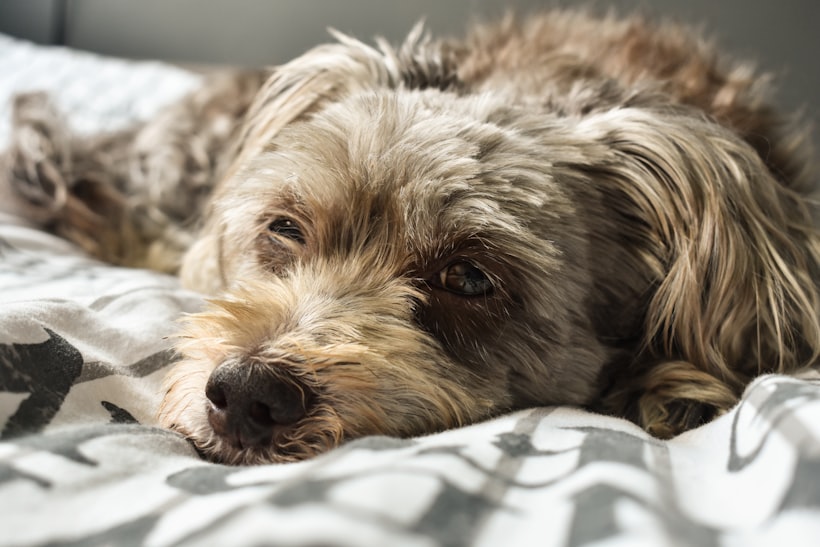
Nighttime incontinence in senior dogs is one of the most common — and
most treatable — conditions vets encounter. Finding the cause is the
first step to getting your dog comfortable and your household back to
normal. (Photo: Unsplash)
Quick Answer: Nighttime incontinence in senior dogs is
almost always caused by an identifiable medical condition — not behavioral
problems and not simply "old age." The most common cause in spayed female
dogs is Urethral Sphincter Mechanism Incompetence (USMI),
which responds very well to medication. Other causes include urinary tract
infections, kidney disease, Cushing's disease, cognitive dysfunction, and
spinal problems. Most causes are highly treatable. A vet
visit with urinalysis is the essential first step — do not restrict your
dog's water without veterinary guidance.
You woke up to find your senior dog's bed wet. Or maybe you've been
noticing small puddles where they were sleeping, and you're not sure when
it started. Your dog looks embarrassed — or maybe they didn't even notice.
And you're trying to figure out if this is something serious, something
manageable, or something you're just going to have to live with.
The answer, for most senior dogs with nighttime incontinence: it's
something manageable. VCA Animal Hospitals estimates that urinary
incontinence affects over 20% of spayed female dogs — and the most common
cause responds well to medication. But getting there requires a vet visit,
the right diagnosis, and sometimes a few weeks of adjustment.
Here's everything you need to know.
True Incontinence vs. Inappropriate Urination — An Important Distinction
Before exploring causes, it's worth understanding a key distinction that
will affect your vet appointment. PetMD draws a clear line between two
different problems that can look identical to an owner:
|
True Incontinence |
Inappropriate Urination |
| What's happening |
Involuntary urine leakage — dog is unaware it's happening |
Dog is aware but urinating in the wrong place |
| When it occurs |
Usually while sleeping or resting — dog wakes up in a wet spot |
Dog squats/lifts leg in the wrong location while awake |
| Amount |
Often a significant amount — full bladder emptying or large wet spots
|
Variable — may be small amounts or marking behavior |
| Common causes |
USMI, spinal problems, neurological conditions |
UTI, CCD, pain, increased water intake, anxiety |
| Dog's response |
Often appears surprised or unaware |
Usually deliberately seeks a spot |
💡 Why this matters: Observe your dog carefully and
report what you see to your vet — not just "accidents at night" but where
the urine is, how much there is, and whether your dog appears aware of it.
This information significantly narrows the list of likely causes before
any testing begins.
6 Common Causes of Nighttime Incontinence in Senior Dogs
📝 Scenarios shared in this section represent common situations reported
by pet owners and are used for illustrative purposes.
This is the most common cause of true urinary incontinence in senior
dogs — particularly in spayed female dogs. VCA Animal
Hospitals estimates USMI affects over 20% of spayed females and up to
30% of large-breed dogs. It occurs when the muscles that keep the
urethra closed weaken, allowing urine to leak involuntarily — often
while the dog is relaxed or asleep, when muscle tone is at its lowest.
The connection to spaying is hormonal: estrogen helps maintain urethral
muscle tone, and its removal after spaying can gradually lead to
sphincter weakness. This typically appears months to years after
spaying, which is why it presents most often in middle-aged to senior
dogs.
💬 Common Owner Experience
A pattern VCA vets describe as one of the most common presentations: an
owner discovers their spayed female senior dog has been waking up in a
wet spot overnight. The dog seems unaware — she doesn't squat or
position herself, she simply leaks while sleeping. A vet exam and
urinalysis confirm USMI. Phenylpropanolamine — a prescription medication
available only through a licensed veterinarian — is prescribed to
strengthen urethral muscle tone. Within two to four weeks, the nighttime
leaking stops almost entirely. VCA notes that USMI responds well to
medication in the majority of dogs, and the prognosis is generally good.
💡 Treatment: USMI is typically treated with
phenylpropanolamine (PPA) to increase urethral muscle tone, or in some
cases with estrogen supplementation — both available as prescription
medications only through a licensed veterinarian. Surgical options exist
for cases where medication is insufficient. Most dogs respond well to
medical management.
UTIs are one of the most common and most treatable causes of urinary
accidents in senior dogs. According to PetMD, a UTI causes bladder
irritation and urgency — the dog may feel the need to urinate frequently
and urgently, and may not make it outside in time, especially during the
night when they're sleeping deeply and can't respond to the signal
quickly enough.
Senior dogs are more susceptible to UTIs because of reduced immune
function, hormonal changes that affect the urinary tract environment,
and conditions like diabetes or kidney disease that create favorable
conditions for bacterial growth.
💬 Common Owner Experience
A pattern PetMD vets frequently describe: a senior dog that has been
reliably house-trained for years suddenly begins having nighttime
accidents. The owner is confused because the dog doesn't show signs of
distress. A urinalysis reveals a bacterial UTI. A course of antibiotics
— available only through a licensed veterinarian — clears the infection
within two weeks, and the nighttime accidents stop. PetMD emphasizes
that UTI is one of the first things vets rule out because it is so
common and so straightforwardly treatable.
💡 Signs alongside accidents: Frequent urination in
small amounts, straining, blood-tinged urine, strong or unusual odor, or
excessive licking of the genital area. Any of these alongside nighttime
accidents make UTI very likely.
Several systemic conditions cause dramatically increased water intake
and urine production — which can overwhelm a senior dog's ability to
hold urine through the night. VCA notes that kidney disease causes the
kidneys to lose their concentrating ability, producing large volumes of
dilute urine. Diabetes causes glucose in the urine that draws water
along with it, also increasing urine volume. Cushing's disease
(hyperadrenocorticism) elevates cortisol, which drives increased thirst
and urination.
In all of these conditions, the incontinence is secondary — the primary
problem is the underlying disease causing excessive urine production.
Managing the underlying condition typically reduces or eliminates the
nighttime accidents.
💬 Common Owner Experience
A scenario VCA describes regularly: a senior dog begins having nighttime
accidents alongside drinking noticeably more water than usual. Blood
work reveals early kidney disease. After transitioning to a
kidney-supportive diet and starting appropriate supportive care, urine
volume decreases and the nighttime accidents become less frequent. VCA
notes that increased thirst alongside nighttime incontinence is a
combination that should always trigger blood work — it almost always
points to a systemic condition rather than a bladder problem.
⚠️ Watch for: Dramatically increased water intake
alongside nighttime accidents. This combination suggests a systemic
cause and warrants a vet visit with blood work within a few days.
As dogs develop cognitive dysfunction, they may lose awareness of where
they are or forget house training routines — resulting in accidents in
inappropriate places, including overnight. According to the AKC, house
soiling is listed as one of the core signs of CCD (under the DISHAA
framework) and is one of the most distressing aspects of the condition
for owners.
Crucially, CCD-related accidents are not true incontinence — the dog's
bladder control may be intact, but their cognitive awareness of where
and when to urinate is impaired. This distinction affects treatment,
which focuses on cognitive support rather than bladder medication.
💬 Common Owner Experience
A pattern described in AKC guidance: a senior dog begins urinating
indoors at night alongside other CCD signs — daytime sleeping, nighttime
restlessness, and apparent confusion in familiar spaces. A vet
evaluation confirms CCD rather than bladder disease. Management includes
selegiline — a prescription medication available only through a licensed
veterinarian — plus a brain-support diet and more frequent nighttime
bathroom breaks. The indoor accidents reduce significantly. AKC notes
that distinguishing CCD-related house soiling from true incontinence is
essential because the treatments are very different.
The bladder is controlled by nerves that run through the spine.
Conditions affecting the spinal cord — including intervertebral disc
disease, degenerative myelopathy, and spinal tumors — can interrupt the
nerve signals that control bladder function. VCA notes that neurological
causes of incontinence may present alongside hind leg weakness, changed
gait, or difficulty rising.
Neurological incontinence tends to involve either inability to urinate
(the bladder overfills and overflows) or inability to hold urine
(continuous dripping). Either pattern alongside neurological signs
warrants prompt veterinary evaluation.
💬 Common Owner Experience
A scenario VCA describes: a large-breed senior dog develops nighttime
incontinence alongside gradually worsening hind leg weakness. MRI
reveals spinal cord compression from intervertebral disc disease.
Surgical decompression significantly improves both the hind leg weakness
and the bladder control. VCA notes that neurological incontinence is
less common than USMI or UTI but is important to identify — particularly
when incontinence develops alongside changes in gait or hind leg
function.
The AKC notes a less obvious but important cause of nighttime accidents:
arthritis or spinal pain that makes squatting or leg-lifting
uncomfortable enough that the dog avoids it — until they can't wait any
longer and have an accident. This is technically inappropriate urination
rather than true incontinence, but it presents identically to the owner.
The key sign: the dog may resist going outside, seem reluctant to squat,
or have accidents immediately after coming in from a potty break because
they didn't fully empty their bladder due to pain.
💬 Common Owner Experience
A pattern the AKC describes: a senior dog with arthritis begins having
nighttime accidents despite being taken outside right before bed. The
owner notices the dog squats briefly outdoors but doesn't seem to empty
fully. After improving pain management — with an adjusted NSAID
prescription available only through a licensed veterinarian — the dog
postures more comfortably, empties more completely outside, and the
indoor accidents resolve. The AKC notes that pain is a frequently
overlooked cause of house soiling in arthritic senior dogs.
The Water Restriction Myth — And Why It's Dangerous
⚠️ Common Myth
"Restrict water at night to stop incontinence."
This is dangerous advice. VCA Animal Hospitals warns
explicitly against restricting water intake in senior dogs without
specific veterinary guidance. Senior dogs are prone to kidney disease,
and dehydration can cause serious — potentially fatal — kidney
complications. If your dog's incontinence is caused by excessive urine
production from kidney disease or diabetes, restricting water does not
address the cause and may worsen the underlying condition.
Always leave fresh water accessible at all times, unless your vet has
specifically instructed otherwise for a specific medical
reason.
What Your Vet Will Do
A thorough workup for senior dog incontinence typically includes several
steps. Understanding what to expect helps you prepare:
-
✅Urinalysis — the essential first test. PetMD describes
urinalysis as the cornerstone of incontinence evaluation — it checks for
infection, glucose (diabetes), protein (kidney disease), and blood.
Bring a fresh urine sample collected within 2–4 hours of the
appointment, kept refrigerated, in a clean container.
-
✅Blood work. Rules
out kidney disease, diabetes, Cushing's disease, and other systemic
causes. Often reveals the underlying condition driving excess urine
production.
-
✅Physical and neurological exam. Assesses bladder size
and tone, spinal reflex integrity, and signs of pain or weakness that
might suggest a neurological cause.
-
✅Imaging if needed. X-rays or ultrasound may be
recommended to check for bladder stones, masses, or spinal abnormalities
— particularly if the initial tests don't identify a clear cause.
-
✅Urine culture. If
a UTI is suspected but urinalysis is inconclusive, a culture identifies
the specific bacteria and guides antibiotic selection — important
because some UTIs require specific antibiotics to clear effectively.
💡 Before your appointment: Keep a 3-day log of when
accidents happen, how much urine is involved, whether your dog appears
aware of it, water intake changes, and any other new symptoms. This
history is genuinely valuable and helps your vet zero in on the most
likely cause before any testing.
Managing Incontinence at Home Right Now
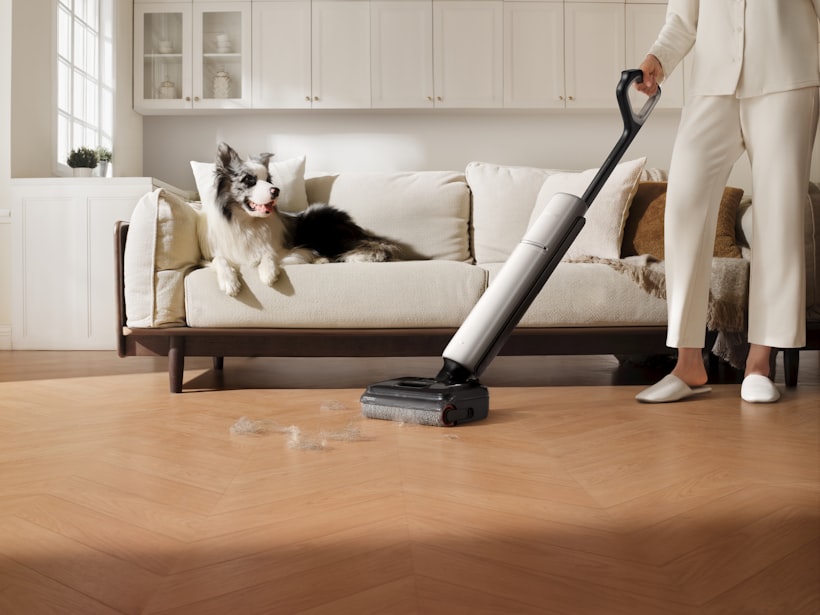
Waterproof bedding, more frequent bathroom breaks, and proper skin care
make nighttime incontinence manageable for both dog and owner while you
work toward a diagnosis. (Photo: Unsplash)
While you arrange a vet appointment — or while you wait for treatment to
take effect — these practical steps protect your home and keep your dog
comfortable and clean:
-
✅Waterproof orthopedic bedding. A waterproof cover over
your dog's orthopedic bed protects the foam from urine damage and makes
cleanup fast. Machine-washable covers are essential — look for ones with
a waterproof inner layer and a soft, breathable outer surface your dog
will actually sleep on.
-
✅Absorbent pads under bedding. Puppy pads or reusable
absorbent pads placed under the bed's waterproof cover add another layer
of protection and absorb leakage before it reaches the floor.
-
✅Dog diapers or belly bands. Washable dog diapers (for
females) and belly bands (for males) can manage overnight leakage
effectively. VCA recommends changing them promptly when soiled — urine
against skin causes urine scald, a painful skin irritation.
-
✅Skin care and urine scald prevention. Check your dog's
skin daily around the genital area and inner thighs. Urine scald appears
as reddened, irritated, or raw skin. Clean with gentle pet-safe wipes
after accidents, apply a thin layer of barrier cream (like petroleum
jelly or a vet-recommended product), and keep the area dry.
-
✅More frequent bathroom breaks. Adding a late-night
potty break — right before you go to bed and possibly once during the
night — reduces bladder volume and the likelihood of leakage overnight.
-
✅Never punish accidents. PetMD is clear: your dog is
not having accidents on purpose. Punishment increases anxiety — which
can worsen incontinence — and damages your relationship. Respond with
calm cleanup and redirect energy toward finding the cause and solution.
🚨 Go to the Vet Same-Day or Urgently If Your Dog:
-
Is straining to urinate with little or no output — possible urinary
blockage
- Has blood-tinged urine alongside signs of distress or pain
- Cannot stand or walk normally alongside incontinence
-
Develops sudden complete loss of bladder control — especially
alongside hind leg weakness
-
Is a male dog straining to urinate — urinary blockage in male dogs is
a life-threatening emergency
Frequently Asked Questions
Q: Is nighttime incontinence in senior dogs normal aging?
No — and this is an important distinction. VCA and the AKC both note
that incontinence is not simply "something that happens with age" and
should not be accepted without investigation. There is almost always an
identifiable medical cause, and most causes are treatable. Accepting
incontinence as normal aging means missing an opportunity to treat
something that is affecting your dog's comfort and quality of life.
Q: My senior female dog wakes up in a wet spot — what's most likely
causing it?
In spayed female dogs, the most common cause is USMI — Urethral
Sphincter Mechanism Incompetence. VCA estimates this affects over 20% of
spayed females. It causes involuntary urine leakage while the dog is
relaxed or sleeping, which is why the dog wakes up in a wet spot without
appearing to have consciously urinated. It responds very well to
prescription medication in the majority of dogs.
Q: Can I use dog diapers long-term for incontinence?
Yes — but with careful management. Diapers are an effective tool for
managing incontinence, but they require diligent attention to skin care.
PetMD and VCA both note that urine against skin causes urine scald —
painful skin irritation that can become infected. Change diapers
promptly when soiled, clean the skin gently after each change, and apply
a barrier cream to protect the skin. Never leave a soiled diaper on for
extended periods.
Q: Should I limit my dog's water at night to reduce accidents?
No — not without specific veterinary guidance. Restricting water in
senior dogs can be dangerous, particularly for dogs with kidney disease,
where dehydration can cause serious complications. VCA advises always
leaving fresh water accessible. The appropriate solution to nighttime
incontinence is identifying and treating the cause, not restricting
water. If your vet believes limited water intake is appropriate for your
dog's specific situation, they will advise you directly.
Q: How long does it take for incontinence medication to work?
For USMI treated with phenylpropanolamine (PPA), VCA notes that most
dogs show improvement within 2–4 weeks, though some respond sooner. For
UTI treated with antibiotics, improvement typically begins within a few
days and the UTI should be resolved within the antibiotic course
(usually 7–14 days). If there's no improvement within the expected
timeframe, contact your vet — the diagnosis or medication may need
adjustment.
The Bottom Line
Finding your senior dog in a wet bed is distressing — for you and, in
their own way, for them. But nighttime incontinence is not a life
sentence, and it is not simply something you have to accept as part of
having an older dog.
In most cases, there is a cause — and most causes are treatable. Spayed
females with USMI respond well to medication. UTIs clear with the right
antibiotic. Systemic conditions like diabetes and kidney disease can be
managed. Pain that's preventing normal posturing can be addressed.
The path forward starts with a vet visit, a urine sample, and an honest
conversation about what you're seeing at home. From there, your vet can
identify what's happening and put together a plan. Most dogs — and most
owners — get to the other side of this.
Medical Disclaimer: This article is written for
informational and educational purposes only and does not constitute
veterinary medical advice, diagnosis, or treatment. Always consult a
licensed veterinarian before making decisions about your dog's health or
treatment. Never restrict your dog's water intake without specific
veterinary guidance.


Comments
Post a Comment